



South Africa’s Minister of International Relations and Cooperation, Ronald Lamola, said the government was concerned by the restrictions announced by US Secretary of State Marco Rubio, arguing that Pretoria’s policies are designed to address inequalities created by centuries of racial injustice.
“South Africa respects that the United States may hold different views regarding particular measures and their implementation.”
“However, we remain committed to addressing these challenges through our constitutional institutions, democratic processes and the rule of law, with the objective of building a more equal and inclusive society for all South Africans,” Minister Ronald Lamola said.
Lamola added that “The people of South Africa respect the right of the American people to develop laws to address their own conditions, and we expect the people of South Africa to be afforded the same respect that our sovereignty demands.”
The US has not named the individuals affected. Rubio said the restrictions target foreign nationals responsible for or complicit in policies involving uncompensated land seizures, race-based discrimination or incitement of violence against minority groups in South Africa.
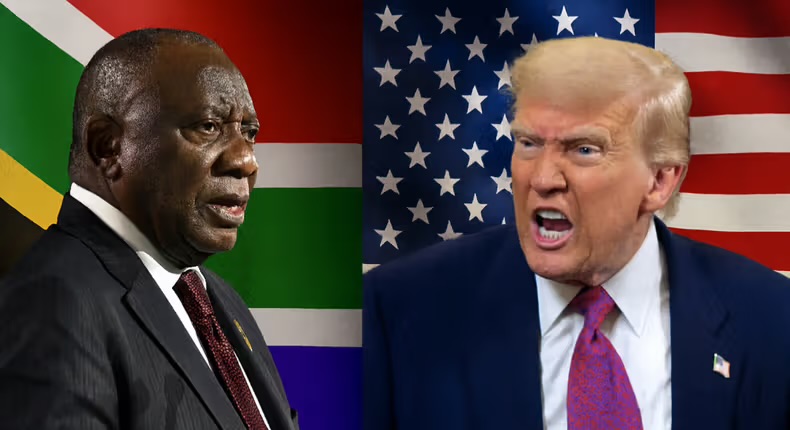
Pretoria’s response comes after months of escalating friction between President Donald Trump’s administration and the South African government.
Land reform has been at the centre of the dispute. Trump has repeatedly accused South Africa of persecuting white Afrikaners and seizing farmland, claims Pretoria rejects.
In February 2025, Trump suspended US aid to South Africa and announced a refugee pathway for Afrikaners, citing what his administration described as racial discrimination and land confiscation.
The disagreement became highly public during President Cyril Ramaphosa’s White House meeting with Trump in May 2025, when Trump presented what he said was evidence of attacks on white farmers. South Africa rejected the allegations and defended its land reform programme.
Elon Musk, who was born in South Africa, also became a prominent critic of Pretoria’s Black Economic Empowerment policies. His criticism intensified during the debate over Starlink’s entry into South Africa, with Musk arguing that the country’s ownership requirements discriminated against white people.
South African officials rejected that characterisation and maintained that foreign companies must comply with the country’s laws.
Foreign policy has added another layer to the tensions.
South Africa’s decision to bring a genocide case against Israel at the International Court of Justice over its conduct in Gaza has also drawn criticism from Washington, which strongly supports Israel.
The Trump administration has cited Pretoria’s actions against Israel among its broader grievances with the South African government.
The relationship has since deteriorated further, with Washington cutting aid, expelling South Africa’s ambassador in 2025 and later excluding South Africa from the 2026 G20 summit.
Pretoria now says the latest visa restrictions should not be treated as a substitute for diplomacy.
Lamola said ongoing bilateral discussions show that both countries still recognise the need for a lasting solution, but argued that the disputes must be addressed through direct engagement rather than unilateral measures.